Skin Care
Azelaic Acid for Acne and Dark Spots: Why Is Everyone Talking About It?
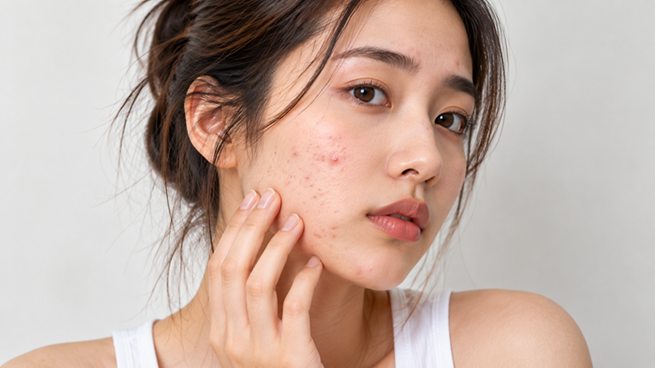
Discover why azelaic acid is gaining attention for acne, redness and post-acne dark spots. Learn how it works, the differences between 10%, 15% and 20% formulations, and how to introduce it into your skincare routine while minimizing irritation. Plus, find out how azelaic acid compares with other popular acne ingredients.
Read MoreWhich Acne Ingredients Should You Use? A Guide to Non-Prescription and Prescription Treatments
Retinoids, benzoyl peroxide, salicylic acid and azelaic acid can all help acne—but they don’t work the same way. Learn what common acne ingredients actually do, which acne pathways they target, and why combining the right treatments can make more sense than simply adding more products.
Read More10 Acne Myth Busters: What’s Actually True About Breakouts?
Does chocolate cause acne? What about dairy or whey protein? Is oily skin supposed to be dried out, and does popping a pimple really make it disappear faster? We break down 10 common acne myths, explain what the research actually says, and help you understand what may really be behind your breakouts.
Read MoreHow to Use Hydroquinone Cream Safely: What You Should Know
Hydroquinone can help treat hyperpigmentation, but using it incorrectly or for too long can cause irritation and other complications. Learn how to use hydroquinone cream safely, when darker pigmentation may be a warning sign, how to store your cream, and why pregnancy precautions, sunscreen and a long-term maintenance plan matter.
Read MoreBeyond Hydroquinone: 3 Emerging Ingredients Dermatologists Are Watching for Hyperpigmentation
Discover three emerging ingredients for hyperpigmentation: glutathione, cysteamine, and isobutylamido thiazolyl resorcinol. Learn how they work, what clinical studies show, and why practical considerations such as oxidation, odor, irritation, formulation stability, and skin tolerability matter when choosing pigmentation care.
Read MoreEstriol Face Cream: Clinical Evidence and Compounded Options
Can topical estriol improve wrinkles, skin hydration, and elasticity? Explore what clinical studies say about topical estriol for skin health, how it compares with traditional anti-aging ingredients, and who may benefit from this evidence-based approach to supporting mature skin during and after menopause.
Read MoreWhy Does Your Skin Age Faster After Menopause? The Role of Estrogen Explained
Discover how declining estrogen levels affect collagen, skin hydration, elasticity, and wrinkles during menopause. Learn what clinical research says about estrogen and skin aging, the role of topical estriol in skin health, and why understanding hormonal changes is the first step toward evidence-based skincare for mature skin.
Read MoreTop 5 Common Anti-Hyperpigmentation Ingredients
Not all skin-brightening ingredients work the same way. This evidence-based guide explores the five most effective ingredients for hyperpigmentation, including their clinical benefits, recommended strengths, safety for long-term use, and how choosing the right formulation for your skin type can improve treatment success.
Read MoreWhy Personalized Skincare Matters: Raghav’s Story
Dark spots and pigmentation can have many different causes, which is why one skincare routine doesn’t work for everyone. Learn why personalized skincare matters for hyperpigmentation and read one patient’s experience of receiving evidence-based, pharmacist-guided skincare advice.
Read MorePharmaceutical-Grade Skincare: Why Quality Standards Matter for Better Skin
Skincare products today are more advanced than ever. Yet many products still rely on the same mass-production model used for decades—long shelf storage, generalized formulas, and cosmetic-level ingredient standards. This is where pharmaceutical-grade skincare begins to change the conversation. By applying the same quality principles used in medicine, skincare can move beyond appearance and focus…
Read More